Sustainable Tourism in the Wye Valley
The Significance of Sustainable Tourism in the Wye Valley Sustainable tourism aims to minimize the negative impacts of travel while enhancing the well-being...

The Significance of Sustainable Tourism in the Wye Valley
Sustainable tourism aims to minimize the negative impacts of travel while enhancing the well-being of local communities and conserving natural resources. In the Wye Valley, this approach is vital to maintaining the delicate balance between visitor enjoyment and environmental preservation. The region's unique ecosystems, including ancient woodlands, diverse wildlife, and the meandering River Wye, are susceptible to the pressures of increased tourism. By adopting sustainable practices, travellers can help ensure that these natural treasures remain intact for future generations
Local Conservation Efforts
Several organizations and initiatives are actively engaged in conservation efforts within the Wye Valley:
Forest of Dean and Wye Valley Tourism: This organization is committed to promoting sustainable and regenerative tourism development. Recognizing tourism's potential contribution to climate change, they have implemented a Sustainability and Climate Action Plan to guide eco-friendly tourism practices in the region.
Gwent Wildlife Trust: Covering areas between the lower Wye and Rhymney rivers, this trust manages over 800 acres of wildlife-rich habitats, including woodlands and marshes. Their conservation projects focus on restoring wildflower meadows and reviving traditional countryside skills, contributing significantly to the region's biodiversity.
Wye Valley Area of Outstanding Natural Beauty (AONB) Management Plan: This plan exemplifies tackling complex environmental and social challenges through robust local collaboration, aiming to create resilient ecological networks and prepare for climate change impacts.
Eco-Friendly Activities in the Wye Valley
Travelers seeking sustainable experiences will find an array of eco-friendly activities that showcase the valley's natural beauty and cultural richness:
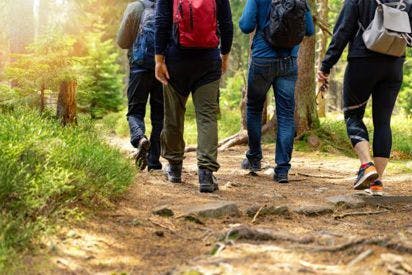
- Wildlife Watching and Nature Walks: The Wye Valley offers numerous trails for observing flora and fauna. For example, Lippets Grove is a nature reserve managed by the Gloucestershire Wildlife Trust, known for its rich biodiversity and ancient woodlands.
Canoeing and Kayaking: The River Wye provides excellent opportunities for low-impact water-based activities. Companies like Wye Adventures offer canoeing and kayaking experiences that allow visitors to explore the river's serene beauty while minimizing environmental disturbance.
Foraging and Bushcraft: Engaging in foraging and bushcraft experiences connects visitors with the land's natural resources. These activities, offered by various local providers, teach sustainable harvesting practices and wilderness skills, deepening appreciation for the valley's ecosystems.
Cycling and Walking Trails: The Wye Valley is crisscrossed with cycling and walking routes that encourage exploration without reliance on motorized transport. Trails like the Wye Valley Walk offer stunning vistas and encounters with local wildlife, promoting health and environmental benefits.
Supporting Local Communities
Sustainable tourism also encompasses supporting local economies and cultural preservation. Visitors can contribute positively by:
Purchasing Local Produce: Visiting farm shops and markets to buy locally sourced food reduces carbon footprints associated with transportation and supports local farmers. Herefordshire, part of the Wye Valley region, is known for its rich agricultural produce.
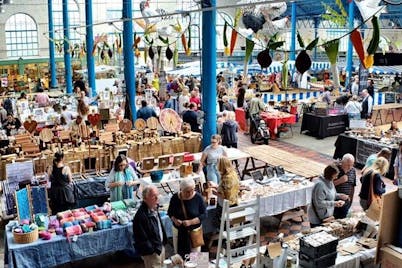
Participating in Cultural Events: Engaging in local festivals, workshops, and events fosters cultural exchange and helps preserve regional traditions. The Wye Valley hosts various events throughout the year that celebrate its heritage and community spirit.
Low-Impact Transportation
Reducing reliance on personal vehicles is integral to sustainable travel. The Wye Valley encourages eco-friendly transportation options:
Public Transport and Bus Packing: Initiatives like "Bus Packing" promote the use of public transportation for exploring the region. For instance, visitors can reach Ross-on-Wye via National Express Coach and utilize local buses to access nearby countryside attractions.
Cycling: The valley's quiet lanes and designated cycle paths offer safe and scenic routes for cyclists, providing an alternative to car travel and reducing traffic congestion.
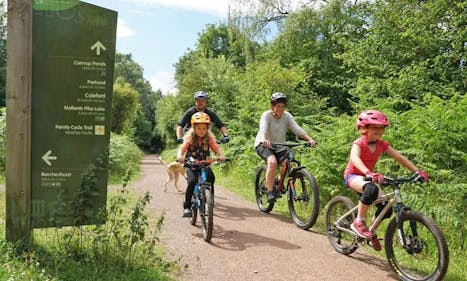
Our big house holiday lets allow the family to come together, up to 35 of you! It works out a much more cost effect trip than all going separately. The houses all have space for everyone to cycle and most are close to the river for that all important ‘messing about on the river’.